One hour, two very different risks
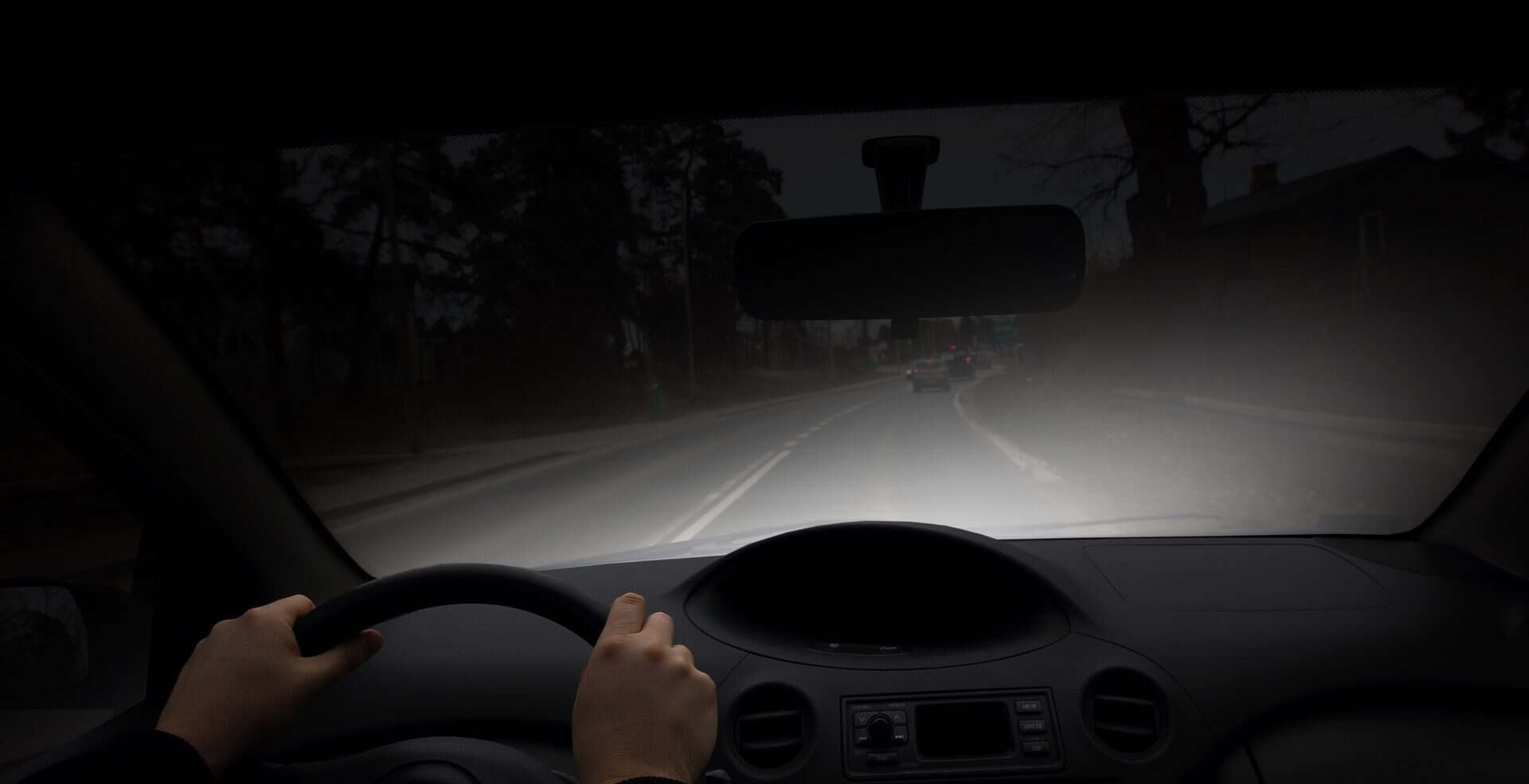
On Nov. 1, Americans got back the hour they surrendered in March. It felt like a gift. But by Monday evening, commutes that had taken place in daylight just days earlier ended in darkness. The roads were the same. The cars were the same. The drivers were the same. Only the light had changed.
That seemingly simple shift creates two distinct safety challenges: pedestrians become harder to see during the evening commute, while drivers are more likely to encounter deer during their most active hours. Both risks are reflected in decades of transportation safety research and in the Michigan crash data compiled by the University of Michigan Transportation Research Institute (UMTRI).
On foot, after five o’clock
Across the United States, drivers struck and killed an estimated 6,732 pedestrians in 2025, about 18 every day, according to the Governors Highway Safety Association (GHSA). Although pedestrian deaths declined for the third consecutive year, they remain above pre-pandemic levels.
Darkness remains a significant factor. Of pedestrian fatalities with known lighting conditions in 2024, more than three-quarters (76.5%) occurred after dark, compared with 19.9% during daylight and 3.6% at dawn or dusk.
Michigan’s latest crash data reinforces the concern. In 2025, 2,321 pedestrians were involved in crashes statewide, resulting in 184 fatalities. Another 35 bicyclists were killed in crashes, according to Michigan Traffic Crash Facts (MTCF), compiled with UMTRI.
Michigan’s 2025 data show that 8% of pedestrian-involved crashes occurred between 5 and 5:59 p.m., while the peak hour for bicyclist-involved crashes was 4 to 4:59 p.m. These are hours when people are heading home from work, walking dogs, running errands or traveling between school and home.
When daylight saving time ends, those familiar activities suddenly take place in darker conditions. Research from the Insurance Institute for Highway Safety (IIHS) has documented the shift: following the fall time change, fatal pedestrian and bicyclist crashes decreased during the now-lighter mornings but increased during the darker afternoon hours.
Darkness is not the only factor in nighttime crashes. Driver impairment, fatigue, speed and traffic conditions also contribute to risk. But the seasonal shift creates an immediate visibility challenge during hours when drivers, pedestrians and cyclists are sharing the road.
And in Michigan, pedestrians aren’t the only ones at greater risk when the evening light disappears.
Deer don’t own a clock
People adjust their schedules by the clock. Deer follow natural cycles of daylight and darkness. When the clocks fall back, the evening commute moves closer to the hours when deer are most active.
A 2022 study published in Current Biology found that deer-vehicle collisions increased 16% during the week following the fall time change. Collisions were roughly 14 times more likely shortly after dark, and approximately three-quarters occurred at night.
The timing compounds an already dangerous season. The fall clock change coincides with the white-tailed deer mating season, when deer movement increases significantly.
The researchers estimated that adopting year-round daylight saving time could prevent 33 human deaths, 2,054 injuries and $1.19 billion in collision costs annually across the United States.
Michigan’s crash data illustrate the scale of the problem. Drivers reported 58,271 deer-involved crashes in 2025, resulting in 13 deaths, according to MTCF. In 2024, November alone accounted for 10,017 deer crashes, with nearly 43% of the year’s deer crashes occurring between October and December.
Together, the research and crash data point to a shared challenge: as daylight disappears from the evening commute, drivers must navigate reduced visibility at the same time pedestrians and wildlife remain active.
Getting through the dark weeks
The return to standard time is a reminder that familiar roads can present different risks when lighting conditions change. A few precautions can help drivers, pedestrians and cyclists navigate the darker months.
- Drivers: Reduce speed during evening commutes, particularly near crosswalks, bus stops and areas with pedestrian activity. Watch carefully for people entering the roadway and use high beams when appropriate on unlit rural roads.
- Deer: Stay alert at dawn and dusk, especially on rural and wooded roads. If you see one deer, expect others nearby. Brake firmly and stay in your lane rather than swerving to avoid a collision.
- Pedestrians and cyclists: Increase your visibility with reflective clothing and lights. Use designated crossings, choose well-lit routes when possible and avoid assuming approaching drivers can see you.
The clocks changed in an instant on Nov. 1. Our routines barely changed at all. But the light did — and with it, the conditions under which millions of Americans travel each evening.
References for this story include:
Cunningham, C. X., et al. (2022). Permanent daylight saving time would reduce deer-vehicle collisions. Current Biology.
Governors Highway Safety Association. (2026). Pedestrian traffic fatalities by state: 2025 preliminary data. https://www.ghsa.org/news/us-pedestrian-deaths-fall-third-straight-year
Michigan Department of Transportation. (2025, October 31). MDOT, OHSP and Michigan Fitness Foundation reminder: Be alert and safe as clocks “fall back” on Sunday [Press release]. https://www.michigan.gov/mdot/news-outreach/pressreleases/2025/10/31/mdot-ohsp-and-michigan-fitness-foundation-reminder-be-alert-and-safe-as-clocks-fall-back-on-sunday
Michigan Traffic Crash Facts. (2025). 2024 Michigan traffic crash facts: Vehicle-deer crashes. Michigan State Police & University of Michigan Transportation Research Institute. https://publications.michigantrafficcrashfacts.org/2024/Deer.pdf
Woods, A. N., Weast, R. A., & Monfort, S. S. (2025). Daylight saving time and fatal crashes: The impact of changing light conditions. Journal of Safety Research. (Released by the Insurance Institute for Highway Safety, April 2024.) https://www.iihs.org/news/detail/changing-the-clocks-helps-pedestrians-but-hurts-motorists
The Research Ends. The Impact Doesn’t. Want to learn more about UMTRI research in lighting? Check out these publications:
Sullivan, J. M., & Flannagan, M. J. (1999). Assessing the potential benefit of adaptive headlighting using crash databases(Report No. UMTRI-99-21). University of Michigan Transportation Research Institute. https://deepblue.lib.umich.edu/items/f9d7f2fa-eb7b-45d7-8ee2-e87e3f76d872/full
Sullivan, J. M., & Flannagan, M. J. (2002). The role of ambient light level in fatal crashes: Inferences from daylight saving time transitions. Accident Analysis & Prevention, 34(4), 487–498. https://swov.nl/en/publicatie/role-ambient-light-level-fatal-crashes-inferences-daylight-saving-time-transitions
Sullivan, J. M., & Flannagan, M. J. (2006). Implications of fatal and nonfatal crashes for adaptive headlighting (Report No. UMTRI-2006-1). University of Michigan Transportation Research Institute. https://deepblue.lib.umich.edu/handle/2027.42/58714
Sullivan, J. M., & Flannagan, M. J. (2008). Trends in fatal U.S. crashes in darkness: 1990 to 2006 (Report No. UMTRI-2008-33). University of Michigan Transportation Research Institute. https://deepblue.lib.umich.edu/handle/2027.42/58739